



Get the 200+ Page Optimal Living Daily Workbook (PDF) - Free.
Want to turn today's episode into an actionable plan? Join the Optimal Living Weekly newsletter and I'll send you our 200-page digital workbook immediately. It's packed with the best takeaways from the show, formatted for easy reading and implementation at home.
Get your free PDF workbook here: https://oldpodcast.eo.page/join
Discover all of the podcasts in our network, search for specific episodes, get the Optimal Living Daily workbook, and learn more at: OLDPodcast.com
Episode 3174:
Keith Wilson finishes the list with the last five apology mistakes: refusing to answer questions, treating the words as the end rather than the start, confusing symbols like flowers with real amends, failing to listen, and never writing any of it down. He explains that nearly every question a hurt partner asks comes down to one, and that trust is earned back through changed behavior rather than granted at the moment of confession. It is a grounded guide to rebuilding trust in a relationship once the apology itself is over.
Read along with the original article(s) here: https://keithwilsoncounseling.com/2017/05/05/10-ways-to-screw-up-an-apology/
Quotes to ponder:
"Your apology is not over when you've delivered your statement of responsibility."
"Making an apology is just the start of the process of reconciliation with your partner, it's not the ending."
"Make your apology and do it right and you'll be less likely to need to do it again."
Optimal Relationships Daily is a daily relationship advice podcast where we narrate the best articles on healthy relationships, dating, marriage, and parenting, read to you by a professional narrator so you can strengthen your closest connections a little more every day.
Learn more about your ad choices. Visit megaphone.fm/adchoices
[00:00:00] Hey, it's Justin from Optimal Living Daily. Before we start, I want to share a super powerful practice I use called NSDR or Non-Sleep Deep Rest. In just about 10 minutes or so, this Yoga Nidra practice leaves you feeling as refreshed as after a nap without actually sleeping. Experience it for yourself on our guided podcast. Search NSDR and look for the one from Optimal Living Daily.
[00:00:26] This is Optimal Relationships Daily, 10 Ways to Screw Up an Apology, Part 2, by Keith Wilson of KeithWilsonCounseling.com 6. You Don't Answer Questions Your apology is not over when you've delivered your statement of responsibility. You need to stay for questions. Answering questions ensures that you haven't missed anything or been too vague.
[00:00:51] It also shows that you are willing to stand under scrutiny. Depending on the nature of your transgression, you may be tempted to say to him, You don't want to know. This happens often in the confession of an affair when the cuckolded spouse thinks he wants details. You might very sincerely want to protect your partner from the knowledge of where and when and how you had an affair with that other man. You know he's not going to want to have that image in his head. There's also the matter of what he's going to do with that information.
[00:01:21] Once he knows who you've been sleeping with, is that person going to be safe? At times like this, when you don't believe your partner is asking the right questions, you as a couple need help. There's no good way out of this jam by yourselves. If you fail to answer the questions as asked, no matter how ill-considered, it's going to look like you have something to hide. If you do answer them, you may just have hurt him more. You may not be able to complete your confession just then.
[00:01:49] This is the time to enlist someone objective whom you both can trust. This person can help your partner frame his questions in such a way to help him move on. Most, if not all, of the questions a partner has boil down to one thing. Can I trust you? At the time of the confession, the true answer, the answer you have to give if you are honest, is no. He can't trust you. You have to earn your trust back by making amends.
[00:02:16] 7. You want the whole thing over and done with and don't offer to make amends. The words, I'm sorry, are not a magical incantation that makes everything better. They have to be followed up with improvements. Nothing changes just because you admit you did something wrong. People apologize over and over about the same thing all the time without doing anything different. You should commit to change. If you've done work prior to the confession, you will have identified how you can make amends.
[00:02:45] If you've lied, then telling the truth will make it right. 8. If you broke a promise, then keep your promises or don't make promises you can't keep in the first place. If you ran up the credit card bill without her knowing, then pay it off before buying anything for yourself again. And so on. Making an apology is just the start of the process of reconciliation with your partner. It's not the ending. It ain't over till it's over. 8. You confuse symbols with the real thing
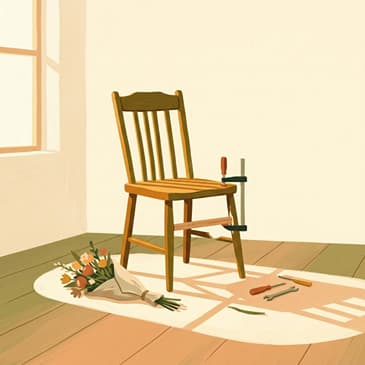
[00:03:14] Sometimes when a contrite husband brings his wife flowers to apologize for something, she gets angry and throws them in the trash. That's what happens when the symbol of the apology and the real thing get confused. The real part of the apology is the acknowledgement of the deed, its effects, and the way to make amends. The flowers serve as a reminder of the commitment to change. When you've done the actual work and made a true apology, the flowers don't get thrown in the trash.
[00:03:44] When you make the flowers do the work for you, it looks like you're trying to buy her off. 9. You don't listen After you've admitted wrongdoing, the person you hurt may have something to say. He may have questions. He might want to point out how your actions impacted him. You may have missed something. He might have something else in mind about how you can make amends. Maybe he has something he needs to get off his chest. Who knows? He may have a confession of his own to make.
[00:04:12] After you've made your apology, listen. Listening, by the way, involves attending to more than just the words he says. You also have to pay attention to the way he says them. Note his body language, emotion, and inflection. This is impossible to do if you're confessing by mail or text. After you listen, summarize what he said in your own words. This lets him know it's sunk in so he doesn't have to keep saying it. If you get it wrong when you summarize, he'll let you know.
[00:04:41] This is important. Maybe you didn't hear him right. This could be a case of chronic miscommunication. If he does correct you, then summarize that until you have heard it correctly. Try doing that by mail or text and the confession could take weeks. 10. You don't document After you've acknowledged the misdeed, its effects, and the way to make amends, write it all down so no one forgets. Date it and make yourself a reminder to pull it out and go over later.
[00:05:10] Then you'll see if you've followed through with making amends. If you have, that might be the time to ask forgiveness. If you haven't, then you have another apology to make and a whole lot more work to do. You may not feel you need to do all of this if the misdeed is minor, like if you ate the last donut one morning. But if you're always eating the last donut, or if there is a pervasive pattern of selfish and inconsiderate behavior and eating the last donut is only one example, then the full treatment is necessary.
[00:05:39] The more pervasive the pattern of misbehavior, the harder it's going to be to change. You're going to need all the help you can get. Make your apology and do it right, and you'll be less likely to need to do it again. You just listened to part two of the post titled, 10 Ways to Screw Up an Apology, by Keith Wilson of KeithWilsonCounseling.com. Hey, it's Justin from Optimal Living Daily.
[00:06:07] Before we start, I want to share a super powerful practice I use called NSDR, or Non-Sleep Deep Rest. In just about 10 minutes or so, this Yoga Nidra practice leaves you feeling as refreshed as after a nap without actually sleeping. Experience it for yourself on our guided podcast. Search NSDR and look for the one from Optimal Living Daily. And a great back half of this post by Keith, no surprise there.
[00:06:35] He's really offered a lot of specific parts of an apology here that I think even the most sincere of us may have forgotten to consider. Just me, maybe. There's not much more to add here in terms of instruction and crafting an honest apology. But if I can think of one disclaimer, it's this. At the end of the day, an apology is something you issue for yourself more than for another person.
[00:07:01] While we do offer sincere apologies to others in an effort to show them our love and let them know that we are truly sorry for betraying them, this is still an act that's not transactional. What I mean is that our apology is a separate entity from the other person's forgiveness. We choose to apologize based on our feelings about what's right.
[00:07:25] And they choose to forgive or accept our apology based on their feelings about what is right. So, if you use all of Keith's wisdom in this article to develop a truly effective and honest apology, know that it doesn't necessarily mean in any way that you are owed forgiveness or acceptance. You apologize for you because it's right. You don't apologize because that's what's required for you to be left off the hook.
[00:07:54] There's a big difference there, and it's crucial to remember. When offering an apology, make sincerity the driving force. Do not try to present based on what you think is necessary to be forgiven. You've made your choice to betray, and then you've made your choice to apologize. The other person will now make their choice of whether or not to forgive. And that's not up to you at all. So, thanks a lot to Keith for enlightening us, and thanks to you all for supporting the show
[00:08:24] once again and being here. It's time to wrap things up, but buckle up for some great content again tomorrow, just like we bring you every day. That's where your optimal life awaits.