



Discover all of the podcasts in our network, search for specific episodes, get the Optimal Living Daily workbook, and learn more at: OLDPodcast.com.
Episode 2643:
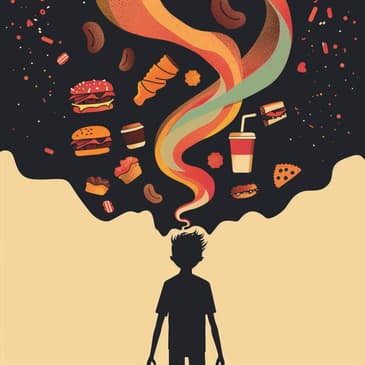
Meagan Drillinger, writing for Healthline, highlights four common foods that can exacerbate anxiety: alcohol, caffeine, added sugars, and refined carbs. She explains how these foods impact the body and mind, offering practical alternatives to help manage anxiety more effectively through dietary choices.
Read along with the original article(s) here: https://www.healthline.com/health/mental-health/surprising-foods-trigger-anxiety
Quotes to ponder:
"Although it may seem like it calms your nerves, alcohol can have a negative impact on hydration and sleep, both of which can trigger anxiety symptoms when suppressed."
"High levels of caffeine can not only increase anxiety and nervousness, but also decrease the production of the feel-good chemical serotonin in the body, causing a depressed mood."
"Added sugars cause your blood sugar to go on a rollercoaster ride of spikes and crashes, and with it, your energy also goes up and down. When blood sugar crashes, your mood sours and anxiety levels can spike."
Episode references:
Anxiety and Depression Association of America: https://adaa.org
Belly Fat for Dummies: https://www.amazon.com/Belly-Diet-Dummies-Erin-Palinski-Wade/dp/1118345851
Learn more about your ad choices. Visit megaphone.fm/adchoices
[00:00:00] Delicious meets nutritious in the snack that packs a real protein punch, Wonderful Pistachios. Each 1-ounce serving of Wonderful Pistachios has 6 grams of protein, giving you over 10% of your daily value and making Wonderful Pistachios one of the highest
[00:00:15] protein nuts. But perhaps more than that, I love all of the flavors they have. Their sea salt and vinegar ones are my favorite when I'm craving that flavor but want to keep it healthy. But
[00:00:25] that's just the tip of the iceberg. Wonderful Pistachios come in a variety of flavors like chili roasted, honey roasted, smoky barbecue and jalapeno lime, perfect for enjoying with family and friends or taking them with you on the go. Whether you're a pistachio purist who loves
[00:00:42] cracking open every nut or you prefer the convenience of no-shells pistachios, Wonderful Pistachios has got you covered. Grab Wonderful Pistachios and elevate your snacking game today. So fill up with a healthy snack when hunger strikes. Visit wonderfulpistachios.com to learn
[00:01:00] more. That's wonderfulpistachios.com. This is Optimal Health Daily Episode 2643, The 4 Worst Foods For Your Anxiety by Megan Drillinger with Healthline.com and I'm Dr. Neil, your very own personal narrator. Welcome to another edition of Optimal Health Daily.
[00:01:21] This is one of just a few podcasts in the world where blogs are read to you and on this show, you get the added bonus of hearing my commentary at the end. Oh, and another bonus, on Fridays,
[00:01:31] I answer your questions. But with that, let's get right to today's post and start optimizing your life. The 4 Worst Foods For Your Anxiety by Megan Drillinger with Healthline.com. Roughly 40 million Americans have an anxiety disorder. If you live with chronic stress or
[00:01:53] anxiety, you might spend much of your daily life managing it with tools like therapy, mindfulness, exercise and anti-anxiety medication. But did you know that anxiety may be triggered by certain foods we put in our bodies? This isn't to say that these tools and approaches aren't necessary
[00:02:11] for tackling anxiety. They're often healthy options for any person's lifestyle. But if anxiety is still impacting your life, it might be worth it to consider what's on your plate. Listen on for 4 foods that may trigger your anxiety and suggestions for what to eat instead.
[00:02:28] 1. Alcohol. Believe it or not, the beverage often used to quell social anxiety may be actually making it worse. Aaron Polinsky-Wade, RD, CDE, author of Belly Fat For Dummies, says, quote, Although it may seem like it calms your nerves, alcohol can have a negative impact
[00:02:48] on hydration and sleep, both of which can trigger anxiety symptoms when suppressed. End quote. Alcohol changes levels of serotonin and other neurotransmitters in the brain, which makes anxiety worse. And when the alcohol wears off, you may feel even more anxious.
[00:03:07] Drinking in moderation, about one drink per day for women and two drinks per day for men, is typically safe as long as your doctor gives you the okay. What to try instead? There's no real substitute for alcohol. If you like the flavor but don't need the side effects,
[00:03:21] consider non-alcoholic beer. Drinks that feel special like mocktails or sparkling water with fancy bitters can also be good replacements in social situations. 2. Caffeine. According to the National Coffee Association, 62% of Americans drink coffee on a daily basis, and the average
[00:03:40] amount per day is slightly over 3 cups per coffee drinker. But our favorite morning ritual might actually be doing more harm than good when it comes to anxiety. Explains Polinsky-Wade, quote, high levels of caffeine can not only increase anxiety and nervousness but also
[00:03:57] decrease the production of the feel-good chemical serotonin in the body, causing a depressed mood. End quote. Typically, caffeine is safe in low doses, but high doses can cause unpleasant effects, namely anxiety and nervousness. The Food and Drug Administration or FDA reports that the
[00:04:15] average adult can generally consume up to 400 mg of caffeine daily without dangerous or negative effects. A 2015 study found that many adults and adolescents who consumed more than 400 mg of caffeine per day reported anxiety and mood disorders. In Starbucks terms, a large or grande
[00:04:34] containing medium roast coffee contains about 310 mg of caffeine. Also keep in mind that many products have caffeine, including tea, chocolate, and certain headache medications, and these can contribute to anxious feelings too. So you could try these instead. Herbal teas such as peppermint,
[00:04:53] lavender, or lemon balm tea which are refreshing hot drinks with soothing effects. 3. Sneaky added sugar. There's no way to avoid sugar 100% of the time since it naturally occurs in many of the foods we love to eat, like fruit. But added sugar is a contributor to overall anxiety.
[00:05:13] Polinsky-Wade says, quote, Added sugars cause your blood sugar to go on a roller coaster ride of spikes and crashes, and with it, your energy also goes up and down. When blood sugar crashes, your mood sours,
[00:05:27] and anxiety levels can spike. End quote. The body releases insulin to help absorb the excess glucose and stabilize blood sugar levels, but a sugar rush makes the body work too hard to get back to normal, causing the highs and lows. Consuming large amounts of processed sugar
[00:05:44] can trigger feelings of worry, irritability, and sadness. Foods that fall into the added sugar category that you should consider avoiding or minimizing don't all look like desserts. Condiments like ketchup, certain salad dressings, pasta sauces, and breakfast cereal can all contain
[00:06:01] high levels of added sugar. Luckily, you don't have to deny your sweet tooth if you give up processed sugar. Instead, you could fill up your plate with fruits and naturally sweet vegetables, like sweet potatoes. 4. Refined carbs.
[00:06:17] Refined carbohydrates have been associated with increased risk of serious health conditions like diabetes, heart disease, and obesity. Refined carbohydrates are foods that have been stripped of much of their fiber and micronutrients. It appears that anxiety is being added to the list
[00:06:33] of health issues that may be associated with consumption of refined carbohydrates. One 2019 study found that refined grain consumption was related to both anxiety and depression in women. Another study from 2018 found that mice fed a high diet in refined carbs, became obese,
[00:06:52] and then developed anxiety and depressive-like behaviors when exposed to stress. Refined sugars and refined grains are the two main types of refined carbs. Refined grains have been milled to remove the fibrous parts, such as the bran and germ, which also removes many of the
[00:07:09] nutrients. Three common examples of refined carbs are white flour, white rice, and white bread. Refined sugars come from plants, such as sugar cane, sugar beets, and the agave succulent. They have been processed to extract their sugar. These refined sugars are different from the
[00:07:28] natural sugars that are found in fruit and dairy products. Common refined sugars include sucrose or table sugar, high-fructose corn syrup, and agave syrup. Refined carbs are found in many modern foods, including white bread, white rice, pastries, sodas, pasta, breakfast cereals,
[00:07:49] and processed snacks and processed meals. Instead, try cereals and breads made of whole or sprouted wheat. Even some whole high-carb grains can be very healthy. If you're living gluten-free, try bread or pasta made of brown rice, oats, or quinoa. Food sensitivities, allergies,
[00:08:08] intolerances, and anxiety. Between 5% and 8% of children and 3% and 4% of adults in the United States have food allergies. Young people with food allergies and sensitivities are at a much higher risk for developing anxiety disorders. In one study of young people between 10 and 16 years
[00:08:27] old, those with food allergies were more likely to have symptoms of separation anxiety, generalized anxiety, and anorexia. This may be especially true in families and underserved communities. In one study of children from such communities, those with food allergies had increased symptoms
[00:08:44] of both social anxiety and anxiety overall. The lead researcher of the study pointed out that food allergies can be expensive, involving food shopping, meal preparation, and the cost of epinephrine autoinjectors, which expire annually. They suggested that these demands might cause anxiety
[00:09:02] in those with few financial resources. Adults can be affected too. One study showed that parents of children with food allergies reported significantly higher levels of stress, anxiety, and depression compared to parents of children with no food allergies. Anxiety can result from long-term
[00:09:21] exposure to a perceived threat. If you have food allergies, you may face the very real threat of severe reactions to food every time you eat. Minor worry may help keep you alert. You read labels, check ingredients when dining out, and always carry your epinephrine. But worrying continuously
[00:09:38] over food allergies can get out of control. If it does, anxiety can be managed with the right supports, including education, nutritional guidance, counseling, support groups, and medication. If you or your child needs help, don't hesitate to contact a medical professional
[00:09:56] for testing and diagnosis. They'll make sure you get help in developing menu plans that consider any related fears. The Anxiety and Depression Association of America is a good place to start for resources or to find a therapist. You just listened to the post titled,
[00:10:16] The Four Worst Foods for Your Anxiety by Megan Drillinger with Healthline.com and I'll be right back with my commentary. In 2011, a group of high school cheerleaders began exhibiting a bizarre mix of neurological symptoms – tics, twitches, and strange outbursts.
[00:10:33] Desperate parents and school administrators looked to material factors. Was it mold in the school buildings? A contaminated water source? But what if the cause of the contagion wasn't coming from their physical environment at all? In Wondery and Pineapple Street Studios' newest podcast, Hysterical,
[00:10:51] host Dan Taberski dives into one of the most shocking outbreaks in American history – a medical mystery that had ripple effects well beyond the tight-knit community where it began. Believed by some to be the most severe case of mass hysteria since the Salem witch trials,
[00:11:08] Hysterical is a podcast about the desire to be believed – and what happens when the world tells you it's all in your head. Follow Hysterical on the Wondery app or wherever you get your podcasts. You can binge all episodes of Hysterical early and ad-free right now by joining Wondery+.
[00:11:28] Dr. Neil here for my commentary. Let's go back to the idea of refined carbohydrates and anxiety. How is it possible that refined carbohydrates like white bread, white pasta, pastries, sodas, and candies can increase feelings of anxiety? We often think that this anxiety is triggered
[00:11:47] by the body's response to the easy access to sugar in these foods. That absolutely could be part of it – a quick boost of energy from these refined carbohydrates may increase feelings of anxiety or maybe it's the low blood sugar that happens soon after. But scientists have another
[00:12:03] theory – that refined carbohydrates don't support the health of the gut microbiome. And a gut microbiome that is not as healthy as it could be may trigger anxiety and other mental health issues. In fact, some researchers believe that some forms of mental health don't begin in the brain but
[00:12:22] actually begin in the gut. Said another way, a healthy gut may help keep the brain healthy too. So, whole foods like whole grains which have been identified as foods that can keep our microbiome
[00:12:35] healthy may help the mind too. Alright, that'll do it for today. Thank you so much for being here. Thank you for listening every day. Thank you so much for sharing this show with someone.
[00:12:45] That's the best way to help keep this podcast going. Oh, and don't forget, I'll see you back here tomorrow for the usual Friday Q&A and where your optimal life awaits!